A child with celiac at kindergarten, school and beyond – a parent’s guide to birthdays, trips, camps and youth groups
A child with celiac can join in almost everything their friends do – it just takes a bit of planning. Here’s what really helps: talking to staff, a short letter for the teacher, a snack box, play dough, birthdays, trips and what kids can handle themselves at each age.
03.11.2026 · 7 min read
Before day one: one conversation that saves a lot of trouble
A new gan (kindergarten), first grade, an after-school program or a summer camp – every new setting goes best when it starts with a short conversation with the people who’ll be with your child day to day. Try to schedule it before the first day, not at the gate on a rushed morning: with the kindergarten or class teacher, with whoever handles meals, and at after-school programs, with the afternoon staff too, who sometimes change.
You don’t need to turn the staff into experts. They just need to understand a few simple things: your child must avoid gluten completely, even in small amounts; celiac isn’t contagious and isn’t an allergy, so it usually doesn’t cause an immediate life-threatening reaction (unless your child also has an allergy – in which case that needs its own explanation); and even when nothing shows on the outside, repeated exposure can harm the gut over time.
One more thing worth saying out loud: young children swap food, taste from a friend’s plate and put their hands in their mouths. That’s not bad behavior – it’s just their age. When staff know this in advance, they notice those moments.
💡 Ask what’s planned for the year – holidays, parties, cooking activities, trips. That way you won’t find out on Thursday night that tomorrow’s Kabbalat Shabbat comes with challah.
A one-page letter for the teacher – what to include
Conversations get forgotten; a page stays put. One page in plain language, which can hang in the kindergarten kitchenette or live in the after-school folder, is especially useful when a substitute or a new counselor shows up. Here’s what it should cover:
- Your child’s name and a small photo, plus one clear sentence: “No gluten at all – wheat, barley, rye, and oats unless labeled gluten-free”
- What’s fine to give: a short list of snacks and foods you’ve approved – ideally, “only from their own box”
- What’s off-limits, including the less obvious items: bread and challah, cakes, pretzels and wheat-based snacks, crackers, regular play dough and pasta for crafts
- That crumbs matter too: a clean surface, washed hands and a separate utensil when food is handed out
- What might happen if gluten is eaten by mistake – such as tummy ache, nausea or diarrhea – and that you’d like to hear about it the same day
- Both parents’ phone numbers, and a simple request: “When in doubt – don’t give it, and call us”
💡 Update the letter at the start of every year, and give a copy to after-school staff, activity instructors and youth group counselors. If you’re not sure how to word it, your dietitian can help – and can sometimes speak with the school directly.
A safe snack box, birthdays and holidays
The most useful tool at kindergarten and school is a closed box with your child’s name on it, kept on site and filled with packaged snacks you chose. When someone brings birthday cake, the staff don’t have to improvise – they just reach for the box. Ask for it to be stored separately from other children’s food, and check it now and then: snacks run out and dates expire.
For birthdays and class parties, advance notice makes all the difference. Ask the teacher or the parents’ committee to let you know when a celebration is planned, and keep a few gluten-free muffins or cupcakes in the freezer that you can send in the morning. For parties at a friend’s home, remember that the host parent will be very busy on the day. Rather than expecting them to handle everything, ask what’s being served and send something as similar as possible, so your child gets to eat “like everyone else”.
In Israel there’s also the calendar to think about: Kabbalat Shabbat with challah at kindergarten, sufganiyot (doughnuts) at Hanukkah, mishloach manot gift baskets at Purim and cheesecake at Shavuot. Most of these moments are predictable, so you can prepare – gluten-free challah for Friday, a gluten-free doughnut from a suitable bakery, or a separate gift basket from you. For sweets handed out in class, a simple rule works well: your child brings them home, and you check the label together.
Play dough, crafts and cooking activities
The thing most parents don’t think of: soft play dough often contains wheat flour. Gluten has to be swallowed to do harm, but young children taste things, lick their fingers and eat after playing without washing their hands. So at kindergarten it’s worth choosing a play dough made without gluten-containing ingredients – or making one at home together from rice flour and cornstarch and sending it in. Kids usually can’t tell the difference.
Paints, markers and glue are generally not a problem, as long as your child doesn’t eat them. What does need attention:
- Crafts using dry pasta, couscous or flour – swap in gluten-free pasta, rice or dried beans
- Baking and cooking activities – talk to staff beforehand about separate utensils and a clean surface, and remember that flour spreads through the air and across the table
- Handwashing after play and crafts and before eating – a good habit for every child, and especially for a child with celiac
💡 Products like lipstick, lip gloss and toothpaste can also contain gluten. That’s less of a kindergarten issue, but worth checking in gifts and kids’ “makeup” kits.
Trips, summer camps, youth movements and sleepovers
The annual school trip, a summer kaytana (day camp), a Scouts or Bnei Akiva camp – these are the experiences kids least want to miss, and in most cases they don’t have to. Before any overnight trip or camp, talk to whoever is in charge of food and to the counselor or teacher responsible for the group, and explain what your child needs. And for every outing, pack an “emergency kit”: gluten-free bread or crackers, snacks and something filling.
Israeli youth movements have some classic moments worth knowing about: pita on a saj griddle, campfire bread, a potjie pot of ptitim (Israeli couscous) and pizza at the end-of-year party. You can send the counselors gluten-free flour or a baking mix, ask for your child’s dough to be made first on a clean surface, or simply send a portion of their own. Young counselors are usually glad to help – they just need to know what to do.
Sleepovers bring their own worries. What works for many families: a quick chat with the host parents, a bag with breakfast and your child’s snacks, and a request to simply call if they’re unsure. And if you’re eating out along the way, you can use Bli Perurim to look up places in the area with gluten-free options in advance – and confirm with the staff before ordering.
What kids can handle on their own – by age
The long-term goal is for your child to manage celiac themselves, one step at a time. Every child moves at their own pace, so treat this as a rough guide only:
- Kindergarten age (3–6): “I only eat from my box, or something the teacher said is OK.” They learn to say “I have celiac” and to go to an adult when offered food
- Grades 1–3: recognizes their safe snacks, can politely turn down swaps, and asks “Does this have gluten?” before tasting
- Grades 4–6: starts reading labels with a parent nearby, makes a simple meal, and can explain celiac to a friend
- Middle and high school: packs their own food for trips, talks to counselors themselves, and asks the right questions at restaurants – with your backup when needed
💡 Practice at home with role-play: “Someone offers you a snack – what do you say?” That way the answer is ready when the moment comes for real.
The emotional side: when your child feels different
Alongside the logistics, there are feelings. A child holding a cupcake from their box while the whole class shares one big cake can feel left out, even when everything is done right. What usually helps is focusing on inclusion rather than restriction: an alternative that looks like what friends are eating, a gluten-free treat the whole class can try, and letting your child help choose what goes in the box.
Talk about it at home, at eye level. It’s fine for your child to feel angry or disappointed, and you don’t need to rush to fix every feeling. Meeting other kids with celiac can help a lot – through support groups and celiac organizations, or families you meet along the way. And if you notice anxiety around food, avoidance of social events or a lasting drop in appetite, talk to your pediatrician and dietitian, and if needed, a mental health professional.
FAQ
Does my child need to sit at a separate table at kindergarten?
Usually not. What matters is that their food is their own, the surface in front of them is free of crumbs, and they wash their hands before eating. Sitting apart can just make them feel more different. If you’re unsure about your specific situation, ask your dietitian.
Is regular play dough really a problem if my child doesn’t eat it?
Gluten causes harm when it’s swallowed, not through the skin. The issue is that young children put their hands in their mouths and eat after playing. So at kindergarten, the simple approach is play dough without gluten-containing ingredients, plus good handwashing afterwards.
What should we do if our child eats gluten by mistake at school or on a trip?
Don’t panic. Some children get symptoms like tummy ache, nausea or diarrhea, while others don’t notice anything. Go back to the usual gluten-free diet, and if symptoms are severe or don’t pass, see a doctor. It’s also worth working out with the staff how it happened, to prevent a next time. If your child also has a wheat allergy, follow the plan you received from the allergist.
Can a child with celiac go to summer camp or sleepovers?
Yes, with planning. A conversation in advance with whoever prepares the food, an emergency kit with gluten-free bread and snacks, and counselors or host parents who know to call when in doubt. As your child grows and learns to ask for themselves, it gets easier.
Sources
- Coeliac UK – Nursery, playgroup and schoolThe UK coeliac charity on what to tell staff before your child starts, play dough and crafts, snacks, cookery lessons, trips and parties.
- Coeliac UK – Guidance for teachers and support staffGuidance for school staff: a written plan made together with parents, and special attention to trips, celebrations and cookery classes.
- Coeliac UK – Support for parents and carersResources for parents: a template letter to the school, age-specific materials for children and teens, and parent-to-parent support.
- NIDDK – Treatment for Celiac DiseaseUS National Institutes of Health: working with a dietitian, and products that may contain gluten – including children’s modeling dough, lip products and toothpaste.
- NIDDK – Eating, Diet, & Nutrition for Celiac DiseaseOn a balanced gluten-free diet with guidance from a doctor and dietitian, and the value of support groups for families after diagnosis.
General information only – not medical advice. For personal questions, talk to your doctor or a dietitian.
Looking for somewhere to eat?
Every gluten-free place in Israel, with clear badges and ratings.
Find a place →More on the blog
 Celiac disease – what it actually is, how it’s diagnosed, and how it differs from gluten sensitivity and wheat allergy
 How to eat out safely with celiac – the questions worth asking at a restaurant
 Where does gluten hide? The Israeli guide to foods, ingredients and labels
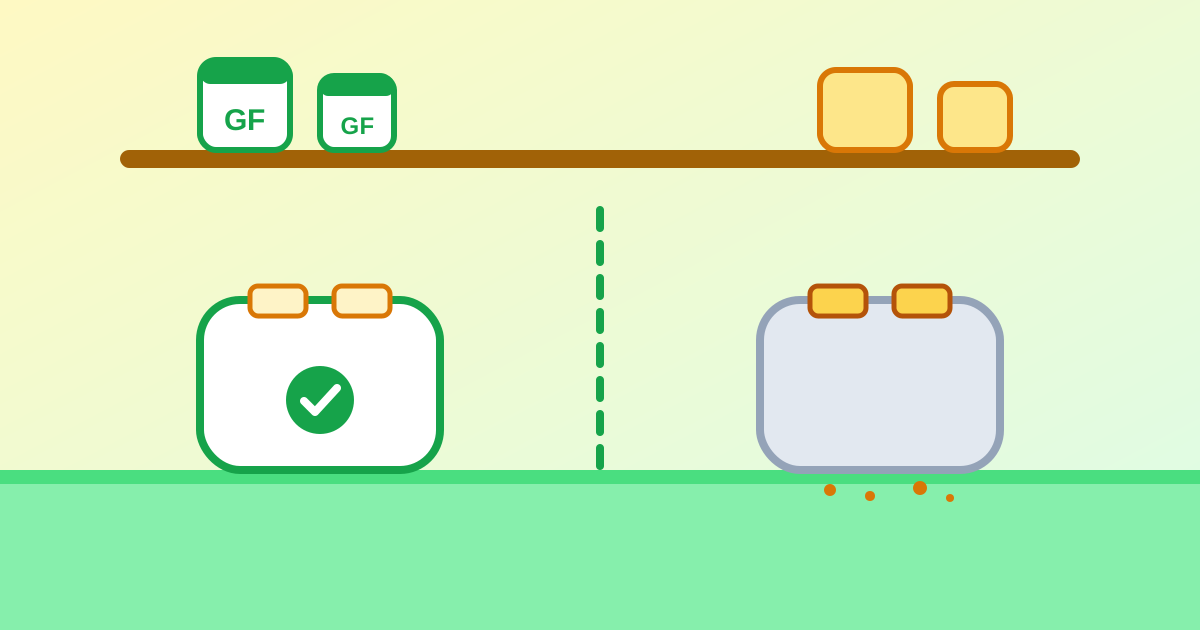 Sharing a Kitchen When Someone at Home Has Celiac – What to Separate, What to Clean, and How to Do Shabbat
 Gluten-Free Flours and Home Baking – A Practical Beginner’s Guide
 Just Diagnosed with Celiac? A Guide to the First Few Weeks
 Traveling abroad with celiac – a guide to flights, hotels, supermarkets and local-language celiac cards
 Celiac and the Jewish holidays – a gluten-free guide from Rosh Hashanah to Shavuot