Just Diagnosed with Celiac? A Guide to the First Few Weeks
The diagnosis is in and your head is spinning with questions. Here is what really matters in the first few weeks – from meeting a dietitian to your first supermarket trip – so you can take a deep breath and go one step at a time.
03.11.2026 · 6 min read
First things first: it’s okay to feel overwhelmed
A diagnosis brings a lot of feelings at once. Some people feel relief – finally an explanation for the fatigue, the stomach pain or the anemia that wouldn’t go away. Others mostly feel loss: the Thursday-night pizza, the neighborhood bakery, the spontaneity. Often it’s a mix of both, and all of it is completely valid.
The encouraging part is that celiac disease is managed mainly through diet, and that’s something you can learn. In the first weeks every supermarket trip can feel like an exam, but over time it becomes a habit. You don’t need to know everything on day one – start with the basics and build your knowledge gradually.
💡 Keep a running list of the questions that come up during the week and bring it to your appointment with the doctor or dietitian. It saves a lot of 2 a.m. googling.
First steps: a dietitian, a pantry reset and a deep breath
The most important step is booking an appointment with a clinical dietitian who knows celiac disease. Health bodies such as the US NIDDK and the UK’s NHS recommend this as part of treatment: the dietitian will teach you to spot gluten on labels, plan balanced everyday meals and find good substitutes. In Israel, you can ask your family doctor or gastroenterologist for a referral through your health fund (kupat cholim).
At the same time, do a first sort of your kitchen. There’s no need to throw everything out – just go through the pantry, separate products that contain gluten and set aside a “safe” shelf or cupboard for gluten-free items. If you live with people who still eat gluten, there’s a lot more to say about toasters, chopping boards and shared spreads – we cover that in a separate guide to the shared kitchen.
- Book an appointment with a clinical dietitian experienced in celiac disease
- Ask your doctor to explain the follow-up plan and which tests to expect
- Set aside a separate shelf or cupboard for gluten-free products
- Check your medicines and supplements with a pharmacist – NIDDK notes that medicines are a rare source of gluten, but it’s worth asking
Your first shop: start with what’s naturally gluten-free
A common early mistake is heading straight for the “gluten-free” aisle and filling the cart with special breads, cookies and pasta. The simpler and cheaper approach is to build your base on foods that are naturally gluten-free – the kind the NHS lists as safe as long as they aren’t processed, breaded or battered:
- Fresh fruit and vegetables
- Meat, chicken and fish – not breaded or battered
- Eggs
- Legumes: lentils, chickpeas, beans
- Rice and potatoes
- Most dairy products, such as milk, butter and cheese
💡 Gluten can hide in “innocent” products like spice mixes, sauces and processed meats, so always read the ingredients list. We explain how to read labels in Israel and where gluten hides in a separate post.
Tests, nutrients and when you’ll start feeling better
When the intestine is damaged, absorbing nutrients can be harder. That’s why, according to NIDDK and the NHS, your doctor may check your vitamin and mineral levels after diagnosis and recommend supplements if needed. Coeliac UK, drawing on British Society of Gastroenterology guidance, says follow-up includes checking iron, folate, vitamin B12, vitamin D and calcium, and sometimes other tests too. Don’t start supplements on your own – that’s a decision for your doctor or dietitian.
When will you feel better? According to NIDDK, many people see their symptoms improve within days to weeks of starting a gluten-free diet, while the NHS adds that full healing of the digestive system can take up to a few years. Follow-up usually includes blood tests for antibody levels, which typically return to normal with treatment. Coeliac UK describes regular follow-up for the first two years after diagnosis, followed by periodic reviews as needed.
💡 If your symptoms don’t improve, or come back despite being careful, don’t draw conclusions on your own. NIDDK recommends talking to your doctor or dietitian and keeping a food diary to help track down hidden gluten or another cause.
Telling family, friends and work
You don’t have to tell everyone, but it’s worth explaining to the people you eat with regularly. A simple line works well: “I have celiac disease – it’s an autoimmune condition, not a diet. Even a small amount of gluten harms me, even if I don’t feel anything.” Most people are happy to help once they understand it’s about health, not preference.
With family, Friday-night dinners and holidays are usually the biggest challenge. You can offer to bring your own dish, or help your hosts plan one dish everyone can eat. At work, let whoever orders food for meetings and events know, and keep a few safe snacks in your drawer for those “we ordered pizza for everyone” days.
One more important point: celiac disease runs in families. NIDDK recommends that relatives of people with celiac disease talk with their doctor about whether they should be tested. It’s a good reason to tell your parents, siblings and children – and to suggest they see their family doctor.
Common beginner mistakes
Almost everyone who’s newly diagnosed falls into at least one of these, so don’t be hard on yourself. Here are the traps that come up most often:
- Oats: oats can be contaminated with gluten from other grains, and Israeli regulations even list oats among the gluten-containing grains. The NHS advises discussing oats with your healthcare team before adding them, and then choosing only products labeled gluten-free.
- Soy sauce: regular soy sauce is usually brewed with wheat. Gluten-free versions exist, but you need to look for them and check the label.
- Beer: according to the Gluten Intolerance Group, most beers are made from barley or wheat and are not gluten-free. There are gluten-free beers made from other grains.
- Spelt: it sounds like a healthy alternative, but spelt is a type of wheat and contains gluten. Both the NHS and GIG list it explicitly among the grains to avoid.
- Malt: malt extract, malt vinegar and malt flavoring usually come from barley. They show up in breakfast cereals, sweets and drinks – look for the word on the ingredients list.
- “I just took the bun off”: food that has been in contact with gluten isn’t safe. We go into this in our guide to eating out.
You’re not alone: where to find support
Coeliac UK notes that emotional wellbeing and connecting with a community are part of good follow-up care, and that holds true in Israel too. Israeli celiac associations and organizations run meetups and talks and share up-to-date information, and local Facebook and WhatsApp groups can help with everyday questions like “where can I buy good bread around here?”. Just remember to check medical information against a reliable source or your care team.
And if you want to eat out without worrying – that’s exactly why we built Bli Perurim. On the site you’ll find restaurants and cafés suited to people with celiac disease, with reviews from people who know exactly what you’re going through. If the diagnosis is causing ongoing anxiety or distress, don’t hesitate to ask for professional emotional support too – it’s a completely legitimate part of the process.
💡 Stay in regular touch with your treating doctor and your dietitian. This guide is meant to help you find your way, not to replace personal medical advice.
FAQ
How soon will I feel better after cutting out gluten?
According to NIDDK, many people’s symptoms improve within days to weeks. Full healing of the intestine can take longer – up to a few years, according to the NHS. If you don’t see improvement, talk to your doctor or dietitian.
Which tests will I have after diagnosis?
It depends on your doctor and your situation. Sources such as Coeliac UK and the NHS describe blood tests for iron, folate, B12, vitamin D and calcium, plus antibody tests during follow-up. Your treating doctor sets the exact plan.
Should my family members get tested?
Celiac disease runs in families. NIDDK recommends that relatives of people with celiac disease talk with their doctor about whether to get tested – even if they have no symptoms.
Do I have to buy only special gluten-free products?
Not at all. Your base can be naturally gluten-free foods: fruit, vegetables, meat, fish, eggs, legumes, rice, potatoes and most dairy. Special products are an extra, not a must.
Sources
- NIDDK – Treatment for Celiac DiseaseUS National Institutes of Health: referral to a dietitian, symptom improvement within days to weeks, vitamin and mineral testing, antibody follow-up tests and what to do when the diet isn’t working.
- NIDDK – Diagnosis of Celiac DiseaseThe recommendation that relatives of people with celiac disease talk with their doctor about testing.
- NHS – Coeliac disease: TreatmentUK National Health Service: naturally gluten-free foods, grains to avoid including spelt, oats, malt flavoring and how long healing takes.
- Coeliac UK – Check-upsUK coeliac charity: what follow-up after diagnosis involves, checks for iron, folate, B12, vitamin D and calcium, and the role of emotional and community support.
- Gluten Intolerance Group – Getting Started on a Gluten-Free DietA beginner’s guide: which grains to cut out, malt and brewer’s yeast, oats and beer.
General information only – not medical advice. For personal questions, talk to your doctor or a dietitian.
Looking for somewhere to eat?
Every gluten-free place in Israel, with clear badges and ratings.
Find a place →More on the blog
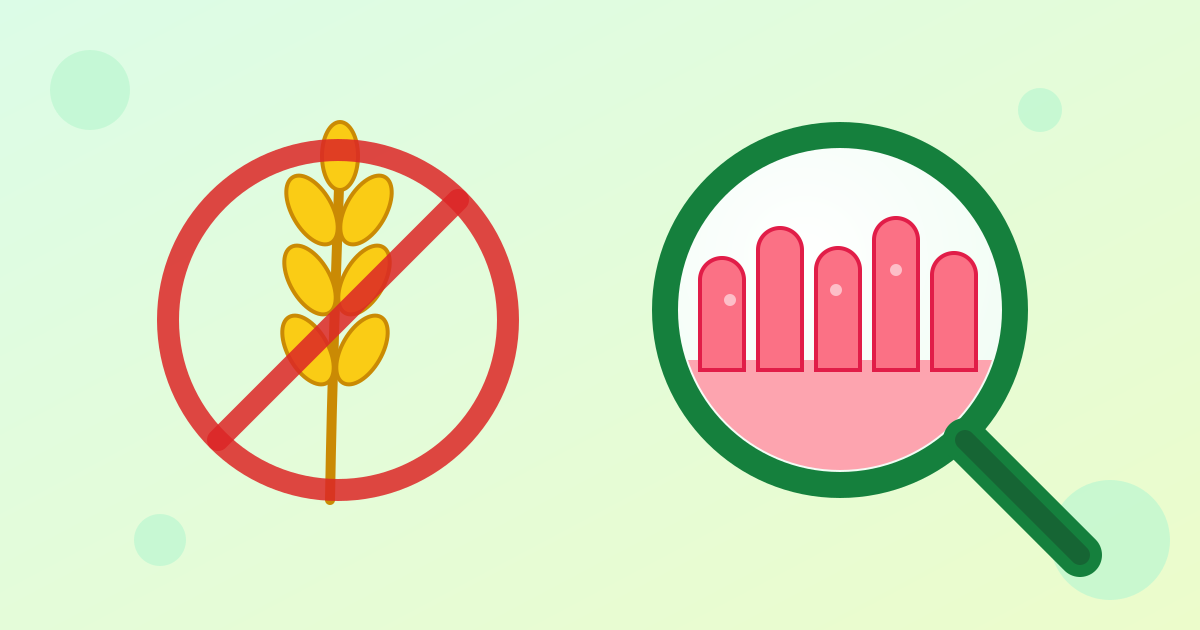 Celiac disease – what it actually is, how it’s diagnosed, and how it differs from gluten sensitivity and wheat allergy
 How to eat out safely with celiac – the questions worth asking at a restaurant
 Where does gluten hide? The Israeli guide to foods, ingredients and labels
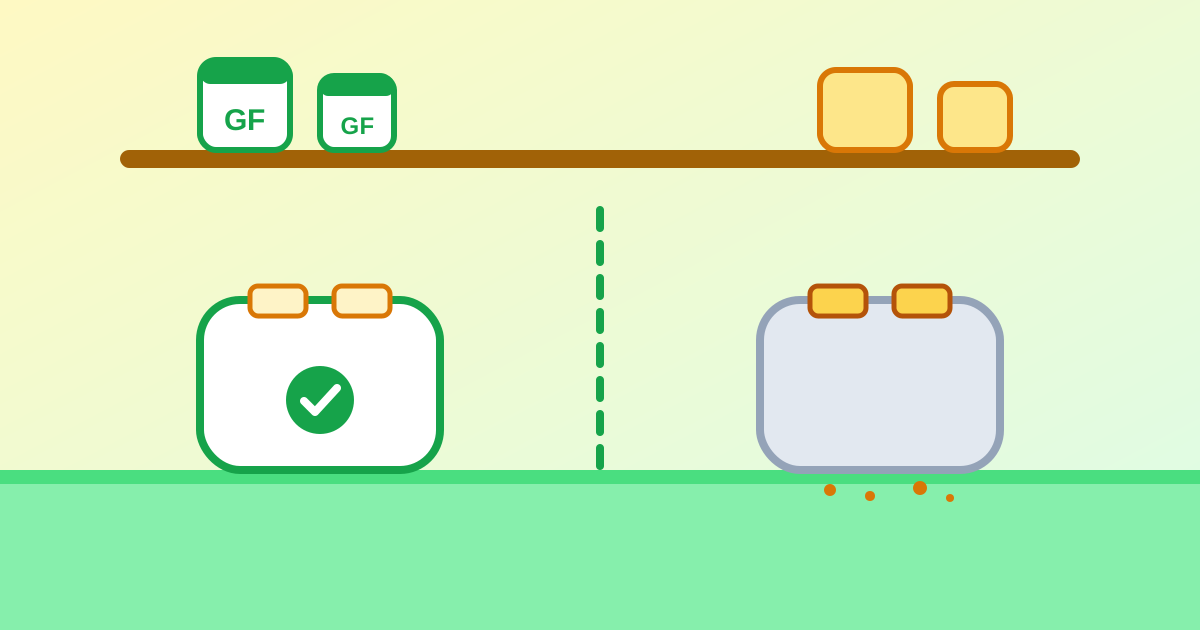 Sharing a Kitchen When Someone at Home Has Celiac – What to Separate, What to Clean, and How to Do Shabbat
 A child with celiac at kindergarten, school and beyond – a parent’s guide to birthdays, trips, camps and youth groups
 Gluten-Free Flours and Home Baking – A Practical Beginner’s Guide
 Traveling abroad with celiac – a guide to flights, hotels, supermarkets and local-language celiac cards
 Celiac and the Jewish holidays – a gluten-free guide from Rosh Hashanah to Shavuot